What does an accountant do?
An accountant is there to help you with everything to do with your financial records. From processing receipts and invoices to doing your VAT and income tax and preparing your annual figures. In addition, a good accountant is also an advisor: someone who thinks along about deductions, investments or the legal form of your company.
Advantages
An accountant can save you time, help spot errors and explain which tax rules apply to your situation. You will have to do less administrative work yourself, but you remain responsible for providing complete information on time. Make agreements about the review of figures and tax returns.
Cons
In return, of course, there is a price. For many starting self-employed people, the cost of a bookkeeper is a barrier. In addition, you hand over part of the control: you are dependent on how well and quickly your accountant works. Therefore, trust is crucial.
Duties of an accountant
An accountant's work varies from situation to situation, but broadly speaking, he will help you with:
- Entering and checking your records
- Taking care of your VAT return
- Submission of the income tax
- Preparation of annual accounts, such as a balance sheet and profit and loss account
- Advising on investments and tax schemes
- Correspondence with the tax authorities
You agree in advance which tasks are included. A sole proprietorship does not have to file annual accounts with the Chamber of Commerce; annual figures are, however, needed for insight and the tax return. See the explanation of the sole trader business.
Who does what? Record this division of tasks before the collaboration starts:
| Section | You as an entrepreneur | The bookkeeper, as agreed |
|---|---|---|
| Documents | Submitting invoices and receipts and adding missing data. | Processing, checking and querying ambiguities. |
| Payments and amendments | Explain unknown payments and report changes to your business or personal situation. | Assess the consequences for the administration and agreed returns. |
| Returns | Provide information on time and answer questions about the figures. | Preparing and submitting the agreed tax returns. |
| Planning | Meeting the delivery deadlines. | Specify when documents are required and how missing information is followed up. |
As a self-employed person, do I need an accountant?
As a self-employed person, you are not obliged to hire an accountant. But especially if you have little experience with administration or tax rules, it is often wise. The Chamber of Commerce and the Tax Administration emphasise that, as an entrepreneur, you remain responsible for your own administration. A bookkeeper is no guarantee that everything will go right, but it does help to avoid mistakes.
Do you work with multiple clients? Do you make use of deductions such as self-employment deduction or investment allowance? Or do you want to know how to properly arrange your pension? Then a bookkeeper is often more than just an administrative support person, it is a partner who helps you keep your company financially healthy.
Choosing the best accountant for zzp
A good accountant understands how you work, knows the rules for self-employed people and is clear about rates. When making your choice, pay attention to:
- Experience with zzp administrations
- Use of modern accounting software
- Transparency on what is and is not included
- Availability in case of questions or checks
- Reviews or experiences of other entrepreneurs
Ask also if the initial consultation is free. Many accountants offer an introductory meeting where you can explain your situation and immediately see if you get on. Also check what we as accountant for self-employed people Done.
Switching accountants
You can also switch during a financial year. First check your notice period and make arrangements with both accountants regarding the transfer. Record who will handle the still outstanding VAT periods, annual figures and income tax. Ensure access to your records, previously submitted returns and outstanding queries. A quarter or year boundary can be practical, but is not a requirement for a switch.
Costs accountant
The price depends on the work involved, your bookkeeping and what you prepare yourself. Therefore, also compare whether processing, VAT returns, income tax, software and personal contact are included. Ask separately about start-up costs and additional work.
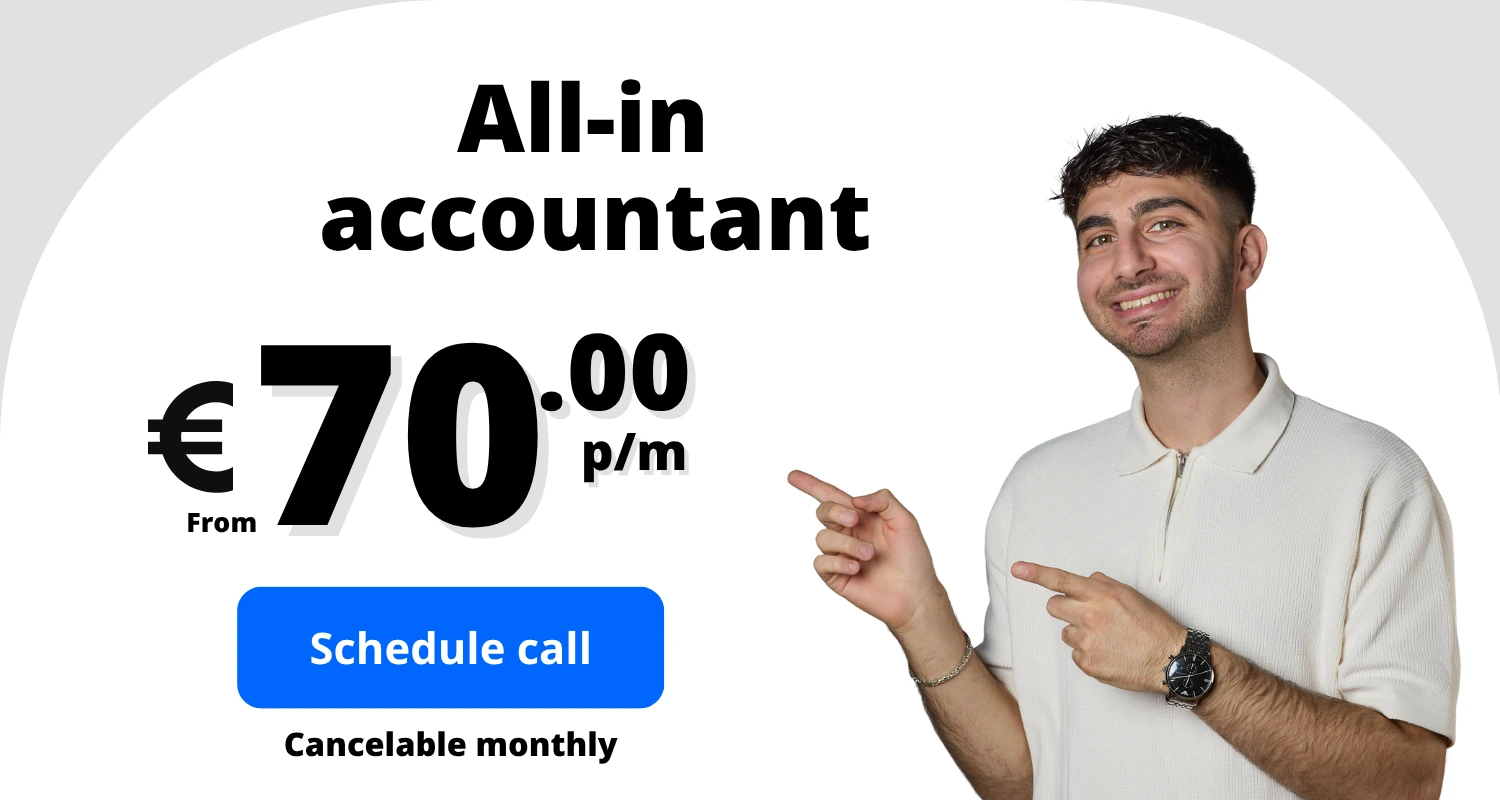
At Van Passe, packages start at €70 a month excluding VAT. View the package and the conditions to determine which fee suits your administration. You can find more explanation about monthly prices, annual amounts and quotes in our article about the cost of an accountant.
Digital accounting and automation
Digital accounting makes it easier to submit documents and view figures. Via the Van Passe app you can submit receipts and invoices, among other things. Automation can reduce manual work, but a bank feed or scanning function does not automatically make an entry correct. Checking the data and providing explanations for unknown transactions remain necessary. How this works in practice can be read on the page online accountant.
Outsourcing your bookkeeping?
Van Passe supports freelancers with their administration, VAT returns and income tax. You supply the necessary documents and have personal contact with a dedicated accountant. We discuss which tasks belong to your administration and what is required for them. You can read who does what on the page outsourcing bookkeeping.
Schedule an no-obligation introductory meeting or view the tariffs and included services.