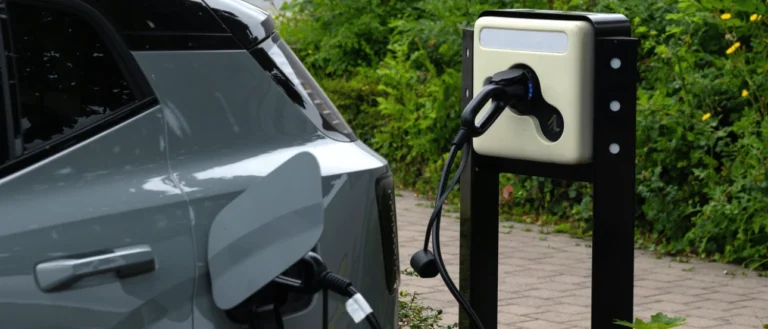
Business lease
First, determine the lease type. With financial lease, the car is usually on your balance sheet and you split repayment, interest and depreciation. With operational lease, the car remains with the leasing company and you book the business lease payments. Therefore, a monthly payment is not the same as an expense item for every type of lease. See leasing and taxes at the Chamber of Commerce.
Which costs are deductible?
With operational lease, you process business lease instalments and other business operating costs. With financial lease, you process depreciation, interest and operating costs separately; repayment reduces the liability. With both forms, account for the applicable adjustment for private use. Keep invoices and the contract.
VAT refund
Deduction of input VAT depends on the invoice and the use for taxed turnover. With financial lease, VAT can be charged upon delivery; with operational lease on the instalments. Private use and exempt turnover are assessed separately. With the small businesses scheme (KOR), you do not deduct VAT. Read the explanation about VAT on private use of the car.
Taxable benefit for private use
With no more than 500 private kilometres on an annual basis, there is no addition if you demonstrate that. A comprehensive mileage log is one possible substantiation. In the case of more private use, the applicable income tax addition applies. That assessment is separate from the VAT correction.
Private lease
With private lease, you take out the contract personally and do not deduct the private lease instalments from your profits. For business journeys, you can apply the mileage allowance. Therefore, keep track of business usage and also compare the impact of the contract on your private budget and credit limit.
Mileage allowance
For business journeys with a privately leased car, in 2026 you may deduct €0.25 per kilometre from your profit, including business commuting kilometres. The mileage includes the car expenses. You do not deduct lease costs, fuel and maintenance from the profit again.
Mileage tracking
You must be able to substantiate your business kilometres. Record the date, departure and destination addresses, number of kilometres and business purpose, supported by appointments or assignment details. Read more about trip registration.
Leasing or buying a business car
When buying, you pay all at once or finance the purchase. With financial lease, you also finance the purchase; with operational lease, you do not build up ownership. Therefore, compare buying with both lease forms separately. Pay attention to available money, payment obligations, maintenance, and the residual value if you become the owner.
Advantages and disadvantages of leasing
Leasing spreads payments, but the included services and risks vary depending on the type of lease. Below is a clear overview of the differences.
Table of pros and cons:
| Advantages | Cons |
|---|---|
| Predictable monthly costs | Total costs may be higher or lower |
| Maintenance can be included in operational lease | Contract limits flexibility |
| No major upfront investment | Potential excess mileage with operational lease |
| Residual value risk in operational lease for the lessor | No ownership with operating lease |
Leases for sole traders
You can choose from financial lease or operational lease. Financial lease works like buying by instalments which makes you the economic owner and puts the car on your balance sheet. Operational lease works like renting where the lease company remains the owner and you only pay for its use. The difference determines how you handle costs, how much risk you bear and how much certainty you have about maintenance and monthly costs.
Financial lease
For financial lease you are usually the economic owner. The repayment is not an expense item. You assess interest, depreciation and business use costs separately. You bear the risk of changes in value and arrange maintenance and insurance. Also read the posting example via the link.
Operational lease
For operational lease the leasing company remains the owner. You hand the car in at the end. Check which services and costs are included in the monthly amount, including for damage, excess mileage and early termination. You book the business lease instalments with the applicable private use correction.
Costs and concerns
Compare quotes over the same period and with the same mileage. Distinguish between expenses, fiscal costs and VAT:
| Section | What are you including? |
|---|---|
| Begin | Deposit, costs and VAT to be financed |
| Duration | All instalments, maintenance and insurance outside the package, fuel or electricity |
| End | Final balloon payment, excess kilometres, damage on return and termination costs |
| Property | Expected sales revenue if the car becomes yours |
| Tax | Separately: cost deduction, deductible VAT and addition (for private use) |
Compare amounts consistently including VAT or excluding the VAT that you can actually deduct. A final payment is not a discount and repayment is not a fiscal expense.
Hesitating between two quotes? Gather your expected business and private mileage and tax details to have the difference calculated for your situation. View what administrative tasks our package includes.